


Export of Building Materials
Exporting building materials is not simply selling products overseas. It is a process of selecting the right products, controlling quality, standardizing documentation, managing logistics, and preserving Vietnam’s reputation in every shipment.
1. Why is building materials export a long-term direction?
Vietnamese building materials have advantages in production capacity, competitive cost, diverse supply sources, and experience serving many types of construction projects. However, to enter international markets, businesses cannot rely only on low prices.
What international customers need is stable quality, clear standards, transparent documentation, proper packaging, on-time delivery, and after-sales responsibility.
Established in 2013, INDUSVINA has been gradually connecting networks of customers, partners, factories, contractors, and logistics providers, contributing to bringing Vietnam’s production and supply capabilities to international markets.
2. Building material groups with export potential
- Steel, steel structures, and mechanical materials for construction projects.
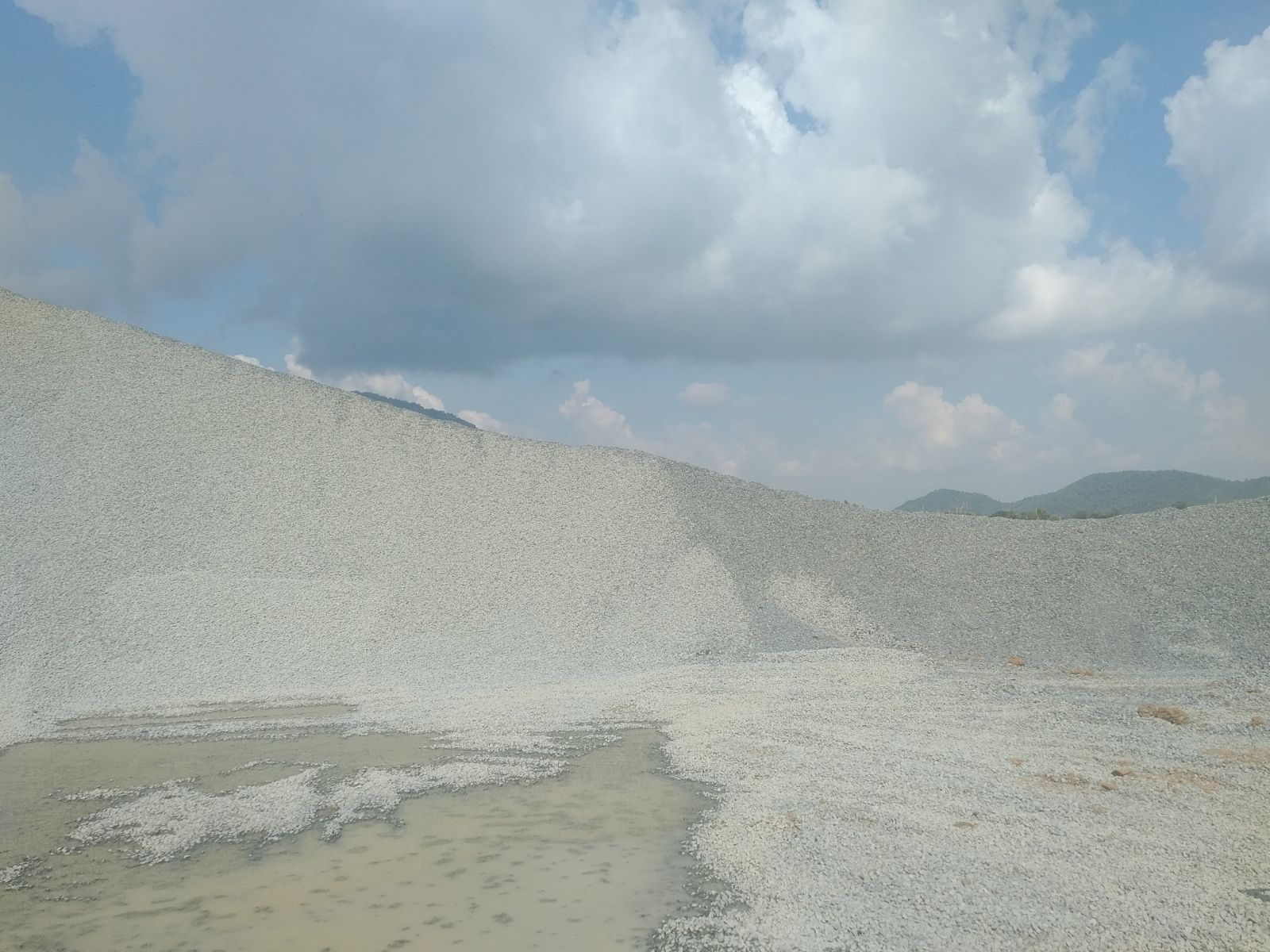
- Building bricks, tiles, natural stone, and finishing materials.
- Cement, additives, foundation materials, and infrastructure materials.
- Sanitary ware, finishing accessories, and interior construction materials.
- M&E materials, technical accessories, and project-based goods.
3. What do international markets require?
- Real sources, real factories, and real capabilities.
- Clear technical specifications, images, and complete documentation.
- Stable samples before signing large orders.
- Packaging, labeling, and documents suitable for each market.
- A responsive contact point with clear responsibility and no overpromising.
4. INDUSVINA’s building materials export process
Step 1: Receiving customer requirements
INDUSVINA clarifies material type, standards, quantity, destination market, delivery terms, documentation requirements, and intended use.
Step 2: Checking supply sources
We review factories, production capacity, product models, quality, schedule, and actual ability to fulfill the order.
Step 3: Standardizing quotations and documents
Quotations need to include technical specifications, packaging details, delivery terms, production time, payment terms, and related documents.
Step 4: Quality control before shipment
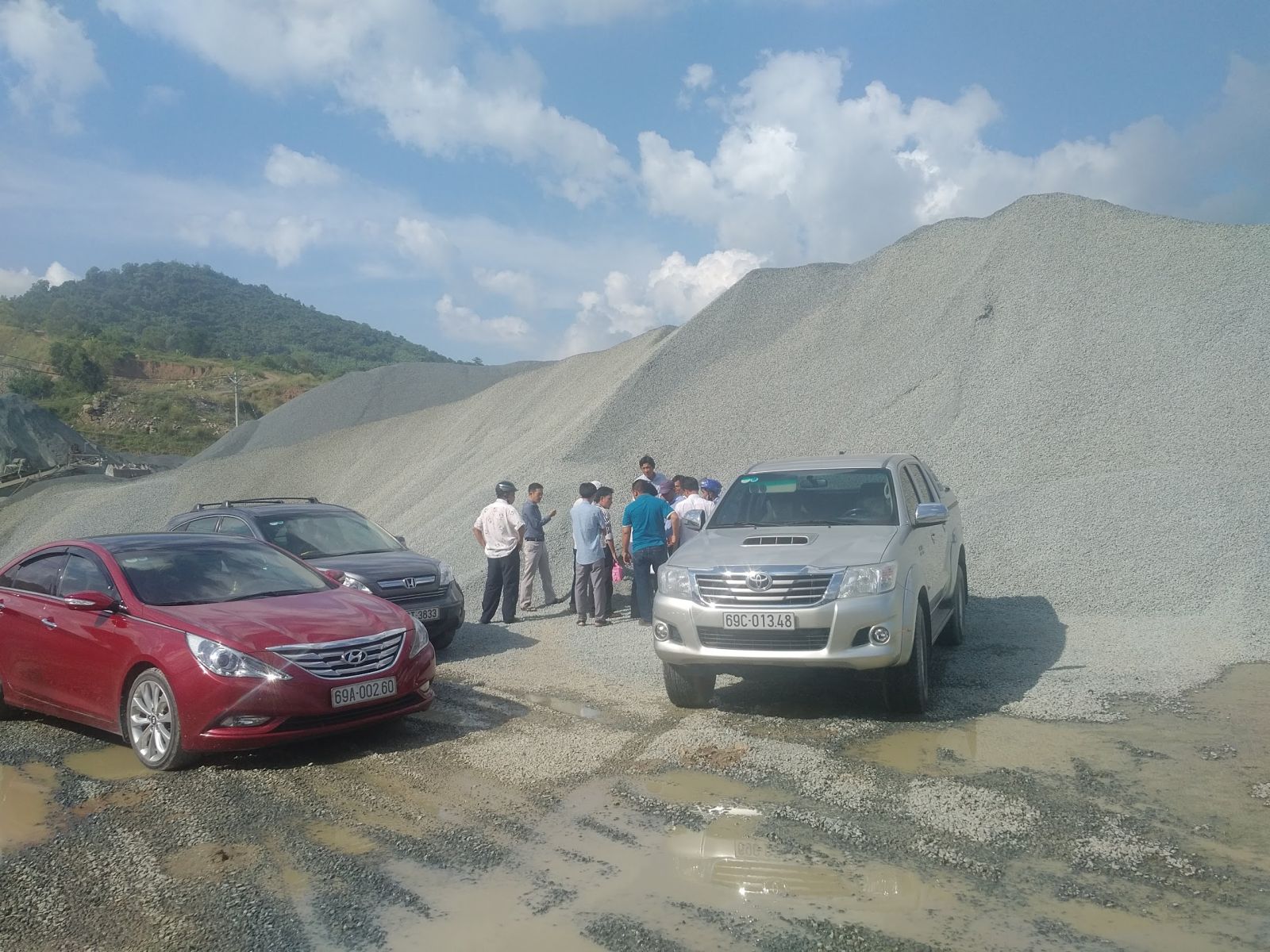
Exported materials need to be inspected according to agreed criteria: samples, dimensions, colors, quantity, packaging, and cargo condition.
Step 5: Coordinating logistics and documentation
INDUSVINA coordinates with relevant parties to reduce risks related to shipment, incorrect documents, delays, or unnecessary additional costs.
5. Common risks in exporting building materials
- Quotations missing delivery terms and additional costs.
- Technical specifications not matching market requirements.
- Approved samples but unstable mass-production quality.
- Weak packaging that can cause damage during long-distance transport.
- Missing, incorrect, or unsuitable documents for import regulations.
- Competing only by low price, damaging quality and long-term reputation.
6. INDUSVINA’s working principles
- Do not trade quality for short-term orders.
- Do not introduce supply sources without sufficient verification.
- Do not promise schedules when the supply chain is not ready.
- Be transparent about products, standards, and capability limits.
- Use Vietnam’s credibility as the foundation for long-term cooperation.
7. Useful internal links
The links below help readers better understand INDUSVINA’s service ecosystem, capabilities, and development direction.
8. Conclusion
Exporting building materials is a major opportunity, but it is also a test of management capability. To go far, businesses need to understand the market, control quality, prepare documents correctly, and keep credibility in every shipment.
INDUSVINA chooses a sustainable approach: understanding products, understanding projects, understanding the supply chain, and respecting international customers.

“Sustainable export does not begin with the lowest price, but with stable quality, clear responsibility, and credibility maintained through every shipment.”
— INDUSVINAFAQ – Frequently Asked Questions
Which types of Vietnamese building materials can be exported?
They may include steel, steel structures, bricks, stone, cement, finishing materials, sanitary ware, M&E materials, and project-based goods.
What is the most important factor in exporting building materials?
The most important factors are stable quality, clear technical specifications, proper packaging, correct documents, and on-time delivery.
Why should businesses avoid competing only by low price?
Low prices that reduce quality can damage credibility, increase complaint risks, and affect long-term cooperation with international customers.
What role does INDUSVINA play in the export chain?
INDUSVINA supports supply connection, capability checking, information standardization, quotation coordination, quality control, logistics, and documentation based on actual needs.
What should customers prepare when sending an inquiry?
Customers should provide material type, standards, quantity, destination market, delivery terms, packaging requirements, documentation requirements, and expected timeline.
What do foreign customers usually care about most when buying building materials from Vietnam?
They usually care about stable quality, clear origin, long-term supply capability, complete documents, and reliable delivery schedules.
INDUSVINA – Exporting Building Materials from Vietnam
Connecting real supply sources, controlling real quality, and building long-term trust with international customers.


